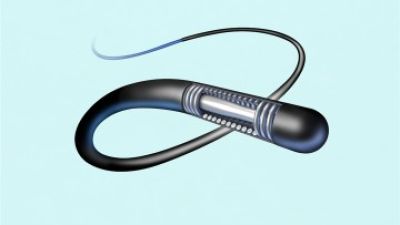
The role of a China ODM Hydrophilic Guidewire supplier really can’t be overstated in the medical device world. I mean, experts like Dr. William Chen, who’s pretty much a big deal in med tech circles, often stress how crucial innovation is here. He once pointed out that even small improvements in hydrophilic guidewire design can make a real difference when it comes to patient outcomes. That’s pretty inspiring, right?
Now, Chinese ODM suppliers are pretty well-known for their ability to churn out high-quality hydrophilic guidewires efficiently. They’re using some pretty cutting-edge manufacturing tech, which helps keep things consistent and trustworthy. A lot of these companies are also investing heavily in research and development to stay ahead of the game. But, let’s be honest, not all suppliers are created equal — quality can vary a lot, so choosing the right partner is super important.
In this whole competitive scene, being transparent and keeping the lines of communication open really make a difference. Working closely with your suppliers helps build trust and makes sure everyone’s on the same page. Of course, there are hurdles too — some suppliers might not have the technical know-how, or they might struggle to meet those strict regulations. So, doing your homework and thorough due diligence is absolutely key if you want to avoid surprises down the line.
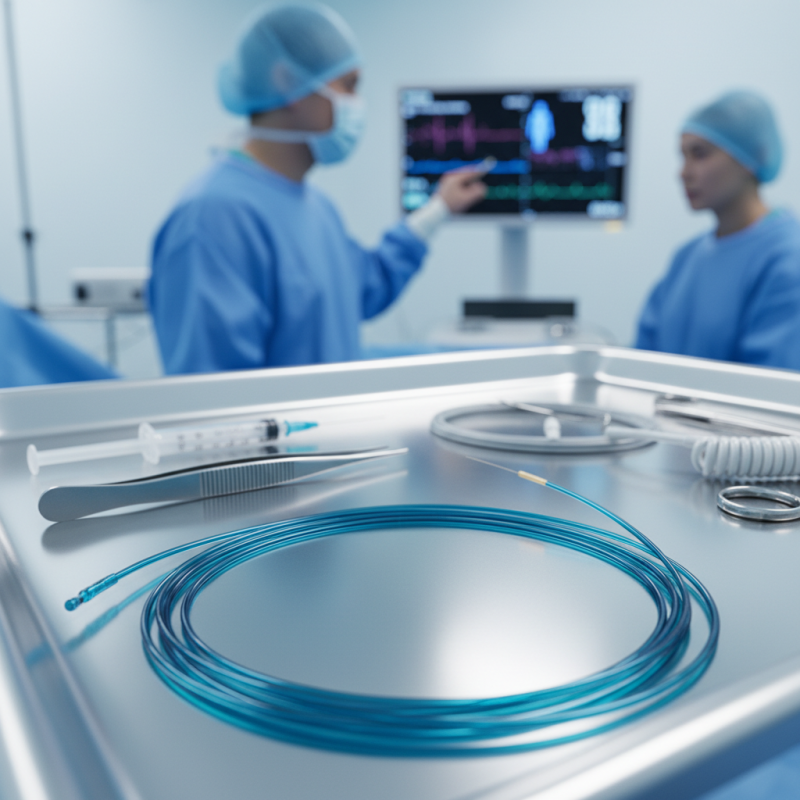
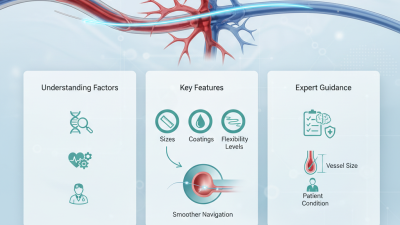
ODM stands for Original Design Manufacturer. This term refers to companies that design and manufacture products based on the specifications provided by other companies, often without branding. Hydrophilic guidewires are specialized tools used in various medical procedures. They have a coating that attracts water, which helps them glide more easily through blood vessels. These guidewires play a crucial role in minimally invasive surgeries, enabling smoother navigation through the body's complex systems.
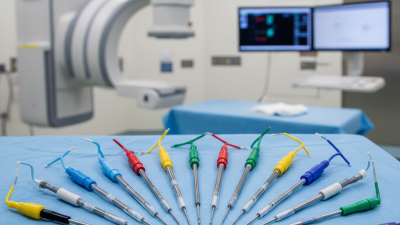
The J Tip Hydrophilic Guidewire is a specific type that features a J-shaped tip. This design helps in guiding the wire through tight turns within blood vessels. Manufacturers of hydrophilic guidewires emphasize precision. They must maintain strict quality controls to ensure each product performs optimally during procedures. However, issues can arise. Sometimes, the coating may not adhere properly, affecting performance. This is why continuous quality assessment is vital in the production process.
In the medical field, innovation is key. ODM suppliers are constantly adapting to new technologies and methods. Their ability to integrate feedback from healthcare professionals is crucial. By addressing concerns about reliability and usability, they align product development with the needs of clinicians. A collaborative approach fosters trust and enhances the overall quality of medical devices like hydrophilic guidewires.
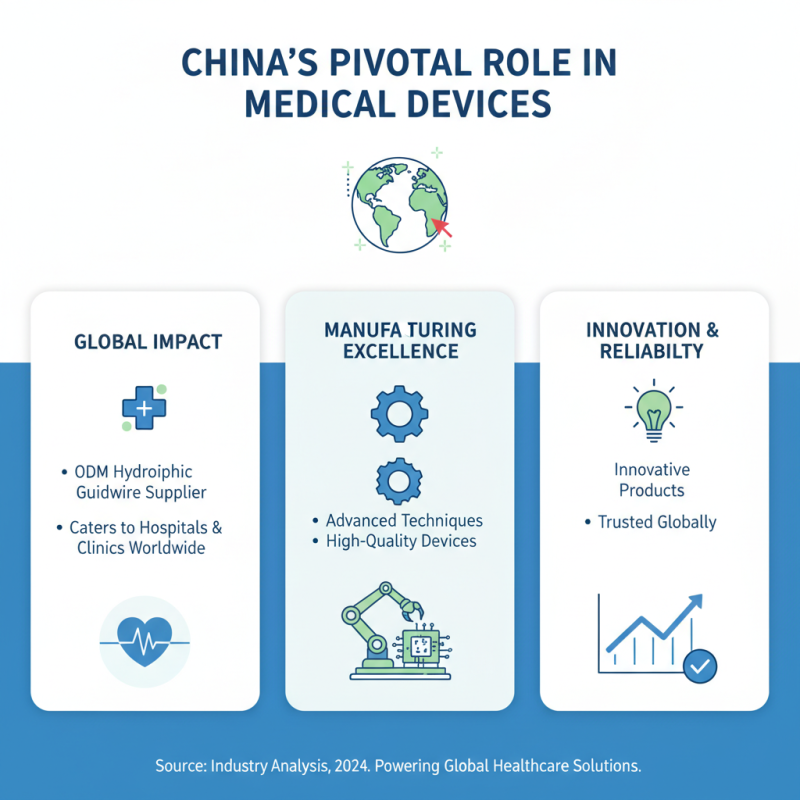
China plays a significant role in the global medical device industry. As an ODM hydrophilic guidewire supplier, Chinese companies focus on producing high-quality medical devices. They cater to a variety of clients, including hospitals and clinics worldwide. The advanced manufacturing techniques in China enable these suppliers to create reliable, innovative products.
The ODM model gives clients flexibility in design. This allows hospitals to customize guidewires according to their needs. However, not all suppliers meet international quality standards. It is essential for clients to verify certifications and past performance. Engaging with experienced suppliers can help mitigate risks.
Tips for selecting a reliable ODM supplier include conducting thorough research on their history and expertise. Look for suppliers with established quality control systems. Always request samples before making a large order. Understanding their production processes can also provide insight into their reliability and innovation capacity.
Finding a reliable ODM hydrophilic guidewire supplier is crucial for medical device manufacturers. These suppliers design and produce guidewires that meet specific clinical requirements. They often prioritize quality, ensuring their products are both effective and safe.
Key characteristics define a dependable supplier. First, technical expertise is essential. A strong background in material science and medical engineering enhances their product development. They should exhibit a deep understanding of Hydrophilic Coated Guidewire properties. Companies with certifications from recognized bodies instill trust.
Additionally, effective communication is vital. A supplier should be responsive, addressing concerns promptly and providing updates on production timelines. Flexibility in meeting custom specifications reflects their commitment. Real-world experiences show that not all suppliers consistently meet these standards. Therefore, thorough vetting is necessary.
| Characteristic | Description | Importance |
|---|---|---|
| Quality Standards | Adheres to international and local regulations such as ISO and CE standards. | Ensures product safety and reliability for healthcare providers. |
| Technical Expertise | Possesses advanced knowledge in hydrophilic coating technologies. | Critical for developing innovative and effective guidewire solutions. |
| Production Capacity | Has the ability to scale production according to demand. | Facilitates timely delivery and adaptability to market needs. |
| Customization Options | Provides tailored solutions to meet specific customer requirements. | Enhances client satisfaction and accommodates various medical procedures. |
| Customer Support | Offers comprehensive customer service including technical support. | Builds strong relationships and trust with clients. |
| Supply Chain Management | Efficient logistics and raw material sourcing strategies. | Ensures consistent product availability and minimizes delays. |
| Research and Development | Invests in R&D to innovate new products and enhance existing ones. | Keeps the supplier competitive in a rapidly changing market. |
The manufacturing processes of hydrophilic guidewires in China are sophisticated and multifaceted. Hydrophilic guidewires are essential in minimally invasive surgeries. Their production starts with selecting high-quality materials, ensuring reliability. Each component, from the core wire to the hydrophilic coating, must meet strict standards.
The process involves extrusion, where polymer materials are shaped into a thin wire. This requires precision machinery and skilled technicians. Once the wire is formed, it undergoes surface treatment. The hydrophilic coating enhances lubricity, aiding in smooth navigation during procedures. This coating must be chemically and mechanically tested for durability.
Quality control is critical throughout these stages. Inconsistent quality can lead to failures in real-world applications. Manufacturers often conduct several tests on finished products. This includes flexibility tests and coating adhesion assessments. Despite advanced technologies, some challenges remain. It’s vital for suppliers to constantly adapt and innovate. They must stay updated with regulatory requirements and market demands.
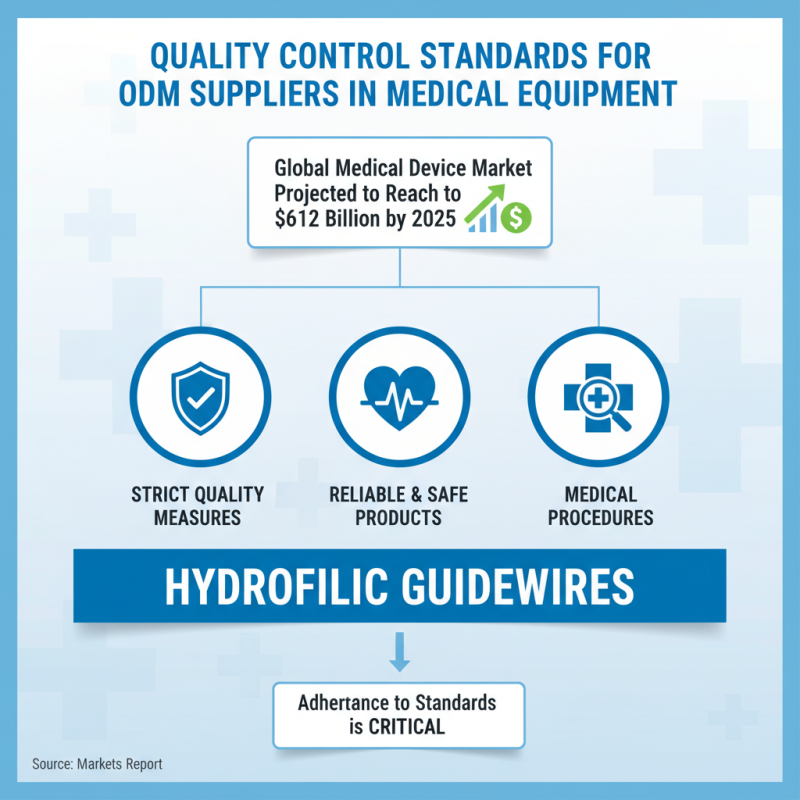
In the medical devices sector, quality control standards are critical for ODM suppliers. A significant report from Markets and Markets highlights that the global medical device market is projected to reach $612 billion by 2025. Within this context, hydrophilic guidewires must adhere to stringent quality measures. These measures ensure that the products are reliable and safe for use in various medical procedures.
Manufacturers often implement ISO 13485 certification. This standard emphasizes the quality management systems specific to medical devices. Regular audits and inspections are part of this process. However, the complexity of medical regulations can lead to gaps in compliance. A recent survey noted that 30% of ODM suppliers struggle with meeting evolving regulatory requirements.
In addition, supplier partnerships play a vital role. Establishing relationships based on transparency can foster better quality assurance practices. However, not all suppliers uphold these relationships. It raises questions about accountability in the supply chain. This lack of consistency can pose risks that are detrimental to patient safety and device performance.
The market for hydrophilic guidewires is evolving. Increased demand is driven by advancements in minimally invasive procedures. Surgeons prefer these guidewires due to their enhanced flexibility and steerability. The Hybrid Hydrophilic Guidewire has emerged as a popular choice, combining durability with optimal performance. This makes procedures faster and more efficient.
Healthcare professionals note variability in product effectiveness. Not all hydrophilic guidewires perform the same. Some suppliers struggle with consistency, affecting clinician trust. As the market grows, suppliers must improve quality control. Reliable performance is crucial for patient outcomes.
Regulatory standards are tightening. Manufacturers must ensure compliance with safety regulations. This adds complexity to the operational landscape of ODM suppliers. They need to balance innovation with rigorous testing. Persistent quality issues can tarnish a supplier’s reputation. Ensuring transparency throughout the supply chain is essential. Both healthcare providers and patients rely heavily on these instruments for successful interventions.
In the healthcare sector, ODM suppliers face unique challenges. The demand for precise and effective medical devices is rising. A recent report indicates that the global medical device market is projected to reach $612 billion by 2025. This growth highlights the pressure on ODM suppliers to innovate continually.
With advancements like Hydrophilic Coating Guidewire, the expectations for quality and performance increase. Meeting regulatory standards is complex. Failure to comply can lead to serious repercussions. Furthermore, keeping production costs low while ensuring quality is an ongoing struggle. Many suppliers find that balancing these factors is a tightrope walk.
Additionally, the supply chain disruptions experienced during recent global events have affected ODM suppliers. Shortages in raw materials raise costs and delay timelines. Adapting to these challenges demands agility and strategic planning. Suppliers need to seek reliable partnerships and invest in technology to ensure resilience in their operations. An atmosphere of uncertainty hinders advancement. It requires reflection and innovation to navigate successfully.
The use of hydrophilic coated guidewires represents a significant advancement in modern medical procedures, especially in minimally invasive interventions. These specialized medical devices are integral to navigating complex anatomical structures, such as blood vessels and ducts, with enhanced precision and safety. The hydrophilic coating on these guidewires transforms them into exceptionally slippery instruments when wet, dramatically reducing friction and facilitating their passage through narrow or tortuous pathways. This characteristic not only eases the procedure but also minimizes the risk of trauma to delicate tissues, making them a preferred choice in various medical fields.
In areas such as interventional radiology, cardiology, and urology, where accuracy and gentleness are paramount, the application of hydrophilic coated guidewires has proven to be invaluable. Surgeons and interventionalists rely on these guidewires to navigate complex vascular paths while minimizing discomfort and complications for patients. The ability to maneuver with reduced resistance not only enhances the overall efficiency of the procedures but also improves patient outcomes by decreasing the likelihood of adverse effects. In an era where the push towards less invasive techniques continues to grow, the innovative application of hydrophilic coatings is redefining precision in medical navigation.
: China plays a crucial role as a major supplier of medical devices globally.
ODM suppliers offer customization in design, allowing clients to tailor products to their specific needs.
Clients should research supplier history and expertise, and check for established quality control systems.
Manufacturing involves selecting materials, extruding wires, applying coatings, and conducting rigorous testing.
Inconsistent quality can lead to device failures, impacting patient safety and effectiveness in real-world applications.
Suppliers face pressure to innovate, comply with regulations, and manage production costs simultaneously.
Disruptions can lead to raw material shortages, increased costs, and delays in production timelines.
Constant innovation is needed to meet rising market demands and expectations for quality and performance.
Suppliers must invest in technology, seek reliable partnerships, and maintain strategic planning to ensure resilience.
Manufacturers might struggle with balancing cost and quality, leading to vulnerabilities in their operations.
The article "What is a China ODM Hydrophilic Guidewire Supplier and How Do They Operate?" provides an in-depth look at the role of Original Design Manufacturers (ODMs) in the production of hydrophilic guidewires, which are critical components in medical procedures. It explores how China's position in the medical device industry has led to a burgeoning market for these specialized products. Key characteristics of a reliable ODM supplier are discussed, emphasizing the importance of quality control standards and manufacturing processes that ensure the efficacy and safety of hydrophilic guidewires.
Additionally, the article highlights current market trends and the growing demand for hydrophilic guidewires, noting the challenges faced by ODM suppliers in maintaining competitive advantage in the healthcare sector. Overall, it underscores the significance of effective management and innovation among ODM suppliers to meet the increasing requirements of medical advancements.