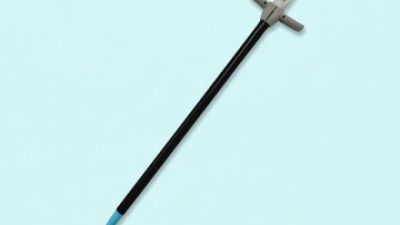
Picking the right Introducer Sheath for medical procedures isn’t just a technical choice—it’s actually really important for keeping patients safe and making sure everything goes smoothly. The market’s got a bunch of options, each designed to fit different medical needs. Big names like Medtronic and Boston Scientific offer a variety of products that show how much medical tech has advanced lately.
When you’re choosing an Introducer Sheath, it’s crucial to think about things like size, what it’s made of, and how easy it is to handle. A well-made sheath can really make a difference—like reducing trauma during insertion, which makes the patient way more comfortable. But, uh, not all products are created equal. There have been cases where poorly designed sheaths caused complications, so you really wanna pick carefully.
Also, it’s super important to understand what the sheath is gonna be used for. The perfect introducer sheath for one procedure might not be the best choice for another. Chatting with experienced healthcare pros can be a game-changer—they’ve got firsthand experience with different brands and models and can give you some solid advice. In the end, making a good, informed decision is all about doing your homework and focusing on quality. It’s worth the effort, I promise.
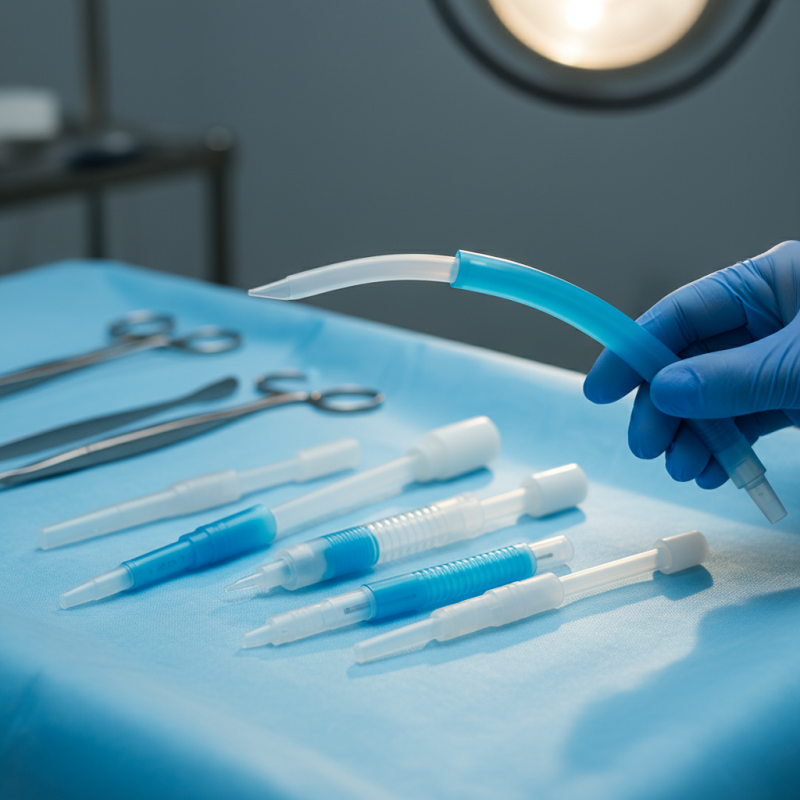
Understanding the Role of Introducer Sheaths in Medical Procedures
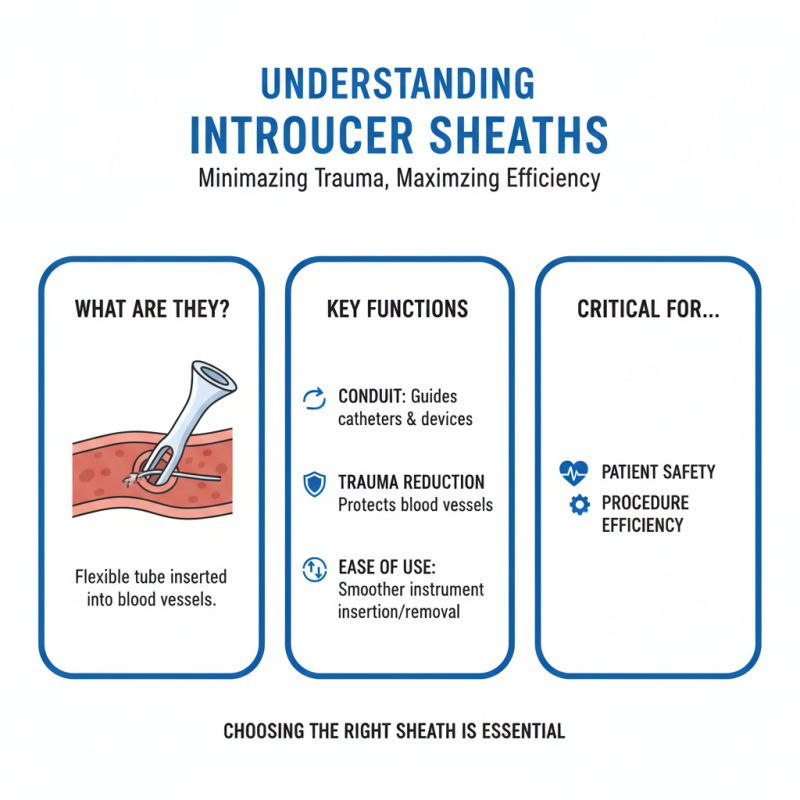
Introducer sheaths play a critical role in medical procedures. They serve as a conduit for catheters and other devices, minimizing trauma to blood vessels. Their design allows for easier insertion and removal of instruments. Choosing the right introducer sheath is essential for patient safety and procedure efficiency.
Different procedures demand specific sheath sizes and materials. Some may require rigid sheaths, while others benefit from flexible options. Variability in patient anatomy also influences sheath selection. Proper sizing is crucial; it prevents complications such as bleeding or infection. Medical professionals must assess each case carefully to ensure optimal choices.
While introducer sheaths are vital, challenges exist in their use. Not all sheaths fit all patients perfectly. Misjudging the sheath size can lead to delays in procedures. This highlights the necessity for ongoing education on the latest advancements in sheath technology. Research and clinical outcomes should guide decisions to improve patient care.
Types of Introducer Sheaths: A Comprehensive Overview
Introducer sheaths are crucial in various medical procedures. They facilitate the insertion of catheters and other devices, ensuring smooth access to vessels. According to industry data, the global introducer sheath market is projected to grow significantly, expected to reach $700 million by 2025. This growth reflects the rising need for minimally invasive surgeries that often rely on these devices.
There are several types of introducer sheaths, each designed for specific purposes. Certain sheaths are compatible with various catheter sizes and types, while others feature hydrophilic coatings for enhanced maneuverability. Studies highlight that using the appropriate sheath can reduce complications such as vascular trauma or thrombosis. However, the choice of sheath is not always straightforward. Factors like the patient's anatomy and the procedure type must guide selection, which can sometimes lead to unexpected challenges during interventions.
Despite advancements, not all introducer sheaths perform equally. Some may cause vessel irritation or have high failure rates in emergencies. Continuous evaluation and professional insights are essential for optimizing their use. A growing body of clinical evidence underscores the importance of selecting the right Sheath Introducer to improve patient outcomes and minimize risks. Engaging in regular training and staying updated with device innovations can significantly impact procedural success.
Key Features to Consider When Selecting Introducer Sheaths
When selecting an introducer sheath, several key features play a crucial role in meeting your medical needs. A significant aspect to consider is the sheath's size and compatibility. The diameter can greatly affect access and procedure efficiency. For example, an Introducer Sheath 6fis a popular choice for Vascular Access, offering a balance between size and maneuverability.
Another essential feature is the material used for the sheath. It should provide excellent flexibility while maintaining strength. Data suggests that high-quality materials can reduce the risk of complications, such as kinks or blockages, during procedures. Furthermore, the design of the introducer sheath can impact the ease of introduction and withdrawal, which is paramount in urgent medical situations.
Tip: Always assess your specific procedural requirements before selecting a sheath.
Finally, consider the sheath's ease of use. Features like tapered tips or hydrophilic coatings can significantly enhance insertion efficiency. A recent study indicated that sheaths designed with user ergonomics in mind improve procedural outcomes by minimizing time on the table, which is vital in Critical Care.
Tip: Reflect on previous experiences with different sheaths to inform your decision-making process.
Material Considerations for Durability and Patient Safety
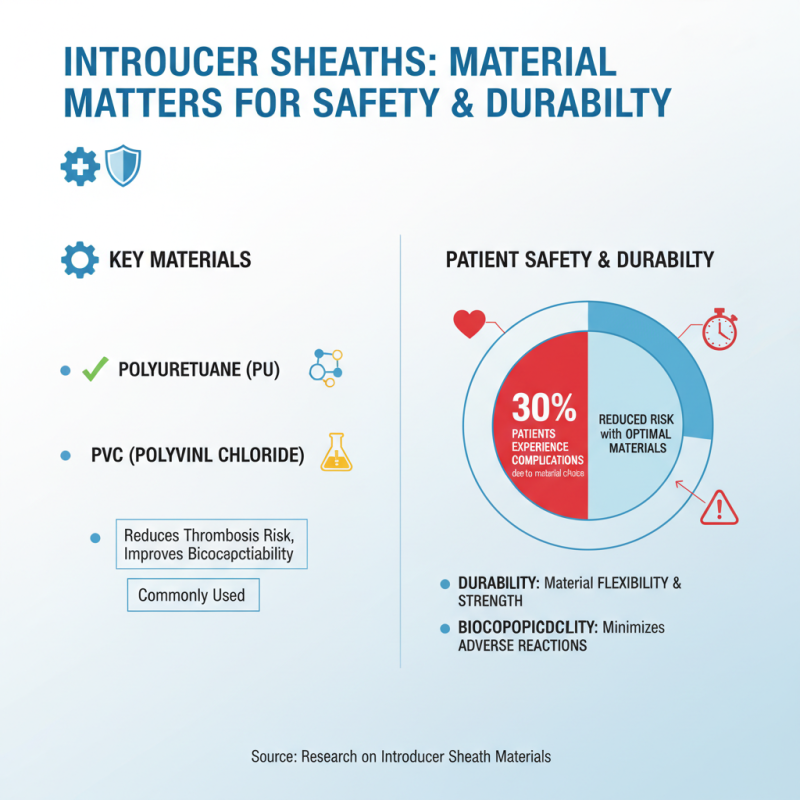
When selecting introducer sheaths, material plays a critical role in ensuring both durability and patient safety. Most introducer sheaths are made from a mix of materials like polyurethane and PVC. Research indicates that polyurethane can significantly reduce the risk of thrombosis and improve biocompatibility. Reports show that 30% of patients experience complications due to sheath material choice.
Tips: Always assess the compatibility of the introducer sheath with the planned procedure.
Careful consideration of tensile strength and flexibility is essential. The ideal introducer sheath, for instance, an Introducer Sheath 7f, should withstand pressure without compromising patient safety. Data suggests products that are too flexible may lead to complications, such as vessel injury.
Tips: Consult with clinical guidelines to understand the appropriate specifications for your patient demographics.
In the field, weighing the benefits of different materials against potential risks is vital. Many practitioners may not realize that not all introducer sheaths provide the same level of support. A sheath that excels in durability might lack in patient comfort, making it essential to balance these factors.
Sizing and Compatibility: Choosing the Right Introducer Sheath
Choosing the right introducer sheath is crucial for successful medical procedures. Sizing and compatibility can drastically influence outcomes. The diameter of the introducer sheath should match the patient’s anatomy. Consideration must also be given to the intended procedure and device compatibility.
An Introducer Sheath 5f is often selected for its versatility. However, not all procedures will benefit from this size. A thorough understanding of the specific clinical scenario is essential. Surgeons may need to reflect on past experiences using different sizes. Variations in sheath material and design can affect maneuverability.
Fitting issues may arise, leading to frustration during procedures. A sheath that is too large can cause vascular trauma. Conversely, one that is too small might restrict access. Always evaluate each situation carefully. The right choice can improve efficiency and patient safety while minimizing complications.
Best Practices for Using Introducer Sheaths in Clinical Settings
When selecting introducer sheaths for clinical use, practitioners must consider several critical factors. Proper sizing is essential to minimize complications during procedures. It is crucial to match the sheath diameter with the catheter or device being used. This reduces the risk of traumatic insertion or vessel injury. Yet, many professionals overlook this vital aspect. Ensure you measure accurately, as an improper fit can lead to patient discomfort and increased procedural time.
Sterility is non-negotiable in clinical settings. Introducer sheaths must be handled with care to maintain their sterile integrity. Open packages should be used immediately or discarded. In some cases, excessive handling can compromise sterility. This can lead to infections, which patients are at high risk of during procedures. Consider implementing strict protocols to enhance adherence to these practices. Regular training sessions can refresh the team's understanding of these fundamental hygiene practices. Observational audits can also help identify lapses in protocol, encouraging a culture of accountability.
Finally, while introducer sheaths are invaluable tools, their use is not without risks. Complications such as hematoma or vascular injury can arise. Ensuring proper technique and vigilant monitoring can help mitigate these issues. Reflecting on past procedures for areas of improvement is a vital practice for all healthcare providers. This self-assessment fosters a culture of learning and adaptation, ultimately enhancing patient care and safety outcomes.
Emerging Innovations in Introducer Sheath Technology
Emerging innovations in introducer sheath technology focus on enhancing patient safety and procedural efficiency. New materials are being developed to create thinner sheaths without compromising strength. This allows for less trauma upon insertion, potentially reducing recovery time for patients. Healthcare providers are exploring options like hydrophilic coatings that improve maneuverability, making the sheath easier to navigate through vascular systems.
Another trend is the integration of technology into introducer sheaths. Features such as tracking capabilities and pressure sensors are being incorporated. These advancements provide real-time data during procedures, informing healthcare professionals about the sheath's position and state. Yet, the reliability of these technologies remains a topic for critical evaluation. Innovations must consistently prove their efficacy in diverse clinical settings to earn trust among practitioners.
Finally, while these innovations promise much, they also pose challenges. The balance between advancement and practicality needs consideration. As new materials and technologies emerge, testing and validation become crucial. Ensuring that these advancements meet regulatory standards is vital. Continuous dialogue among medical professionals can aid in addressing these uncertainties. It’s essential to remain open to feedback as the field progresses.
Best Introducer Sheath Options for Your Medical Needs?
| Feature | Option 1 | Option 2 | Option 3 |
| Material | Polyurethane | Silicone | PVC |
| Sizes Available | 8F, 10F, 12F | 6F, 8F, 10F | 7F, 9F, 11F |
| Radiopacity | Yes | No | Yes |
| Cost | $150 | $120 | $140 |
| Sterility | Sterile | Non-sterile | Sterile |
Assessing the Impact of Tear Away Introducer Sheaths on Minimally Invasive Procedures: Insights from Recent Clinical Data
Minimally invasive procedures have revolutionized modern medicine, allowing for quicker recovery times and reduced trauma for patients. One critical component in these procedures is the use of tear-away introducer sheaths, which serve as peelable vascular access devices. These sheaths facilitate the smooth insertion of catheters, wires, and related medical instruments into blood vessels with minimal trauma. According to recent clinical data presented in leading healthcare journals, the implementation of tear-away sheaths not only improves procedural efficiency but also enhances patient safety by reducing the risk of vascular complications.
Recent studies indicate that the use of tear-away introducer sheaths can significantly decrease the rate of complications associated with vascular access. For instance, a clinical report revealed a reduction in access site infections and a decrease in hematoma formation when these devices were utilized. The ease of removal without disturbing the catheter’s position adds to their value, enabling healthcare professionals to maintain a sterile field while ensuring that the catheter remains securely placed. This advancement has been particularly beneficial in procedures such as percutaneous coronary interventions, where rapid access and recovery are essential.
Moreover, data suggests that the adoption of tear-away introducer sheaths correlates with shorter procedure times. A study noted up to a 20% decrease in procedural duration when compared with traditional access methods, ultimately contributing to improved patient turnover and operational efficiency in healthcare facilities. As minimally invasive techniques continue to evolve, tear-away introducer sheaths will likely remain a pivotal tool in enhancing the overall quality of care delivered to patients.
FAQS
: Introducer sheaths facilitate the insertion of catheters and devices, ensuring smooth access to vessels during medical procedures.
Proper sheath sizing is crucial. An improper fit can cause trauma, increased procedural time, and patient discomfort.
Compromised sterility can lead to infections, putting patients at high risk during procedures. Strict protocols are essential.
Yes, risks include complications such as hematoma or vascular injury. Proper technique and monitoring can mitigate these issues.
Regular training sessions and observational audits can improve adherence to hygiene protocols and identify lapses.
Innovations include thinner materials and hydrophilic coatings that improve maneuverability and reduce trauma upon insertion.
Features like tracking capabilities and pressure sensors provide real-time data but require critical evaluation for reliability.
Continuous evaluation ensures that the right sheath improves patient outcomes and minimizes risks associated with procedures.
Reflecting on past procedures and encouraging self-assessment can enhance patient care and safety outcomes.
Balancing advancement with practicality is essential; testing and meeting regulatory standards are crucial for new technologies.
Conclusion
Introducer sheaths play a vital role in various medical procedures, serving as a conduit for catheter insertion and enhancing vascular access. This comprehensive overview discusses the types of introducer sheaths available, highlighting key features such as material durability, sizing, and compatibility that are essential for selecting the right sheath for specific clinical needs.
Additionally, the article emphasizes best practices for utilizing introducer sheaths effectively within clinical settings and explores emerging innovations in sheath technology, which promise to improve patient safety and procedural efficiency. Understanding these factors can help healthcare professionals make informed decisions that cater to their patients' requirements and ensure successful outcomes in medical interventions.